bloc 33rd Square Business Tools - Car Insurance and self driving cars 33rd Square Business Tools: Car Insurance and self driving cars - All Post
Showing posts with label Car Insurance and self driving cars. Show all posts

Tuesday, May 16, 2017


Self Driving Cars

In 2016, a proposal was made in the Florida State Senate that would set new insurance requirements for companies providing app-based transportation. Such conditions are put in place to compensate auto-accident victims. While the matter has a rather straightforward solution, automated cars create a tougher problem for legislators and insurance companies alike.


Autonomous vehicles are assumed to be safer, and they lower the chances of car accidents. Estimates by Telsa indicate that the autopilot feature reduces accident rates by 50%. Car manufacturers suggest that autonomous driving alongside other safety measures can eliminate road accidents. This development has come out as a threat to the survival of the insurance industry.

Will self-drive cars kill the insurance industry?

Autonomous cars are not a threat to insurance companies. The US motor vehicle insurance industry is significant; it generates annual revenue of $228 billion, alongside creating 225,000 job opportunities. As the developers inflate the benefits of their new products, the insurance companies will have to cut through the hype. They will assist in the development of sound risk-management practices for unmanned vehicles.

Insurers usually offer important reality-check to new development plans. Whether popular or not, plans that do not make sense to insurers might fail to be launched. For instance, Kansas passed a law in 2013 that allowed school employees to bring along concealed weapons. Insurers thought the risk was too high, and so they neglected the plan by rejecting the renewal of the school's' insurance policies.

Related articles
The changing face of liability may present more coverage opportunities. This means that insurers might participate in identifying new risks likely to emerge with the automated cars. For instance, if an accident occurs as a result of software defects and not human error, the automotive company will likely be liable for the injuries. For the automakers to avoid lawsuits, the insurance companies will come up with new products to cover these possibilities.

Instead of waiting for accidents to occur, insurance companies will have to carry out self-driven vehicle research. They will focus on adapting to the safer automated vehicles so as to determine new risks. The research will also enable insurers evaluate the effectiveness of self-driving cars. Due to the lower risks in automated cars, insurers will have to create cheap auto insurance quotes and new covers for risks that may come out after the research.

The risks in use of unmanned cars are relatively unknown. From a safety perspective, the cars seem to be less prone to accidents. But practically, the real world testing has not been carried out enough times. In the meantime, the progress is fast accelerating, and the only uncertainty that the insurance companies have is the pace at which the development is expected to come.


Is self-insurance a good idea?

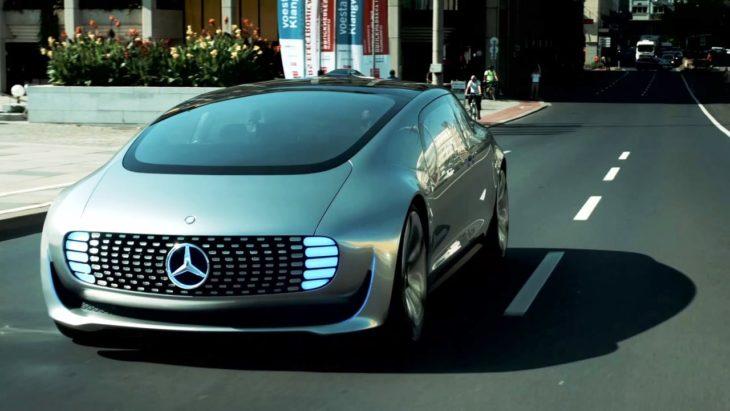
Due to the unknown risks, insurers are not sure what action to take. However, some developers are taking up the responsibility by self-insuring their products. These developers include Google, Volvo, and Mercedes.

There are some consequences of this move that should be considered. Self-insurance could remove a significant firewall between risk and innovation. The move might also impede the car users' freedom of travel. Self-driving car manufacturers might set the vehicles to avoid dangerous areas, resulting in self-censorship form of a thing. This would result in prejudice of business along the said routes, as well as avoiding time-saving shortcuts.

Other disruptions

Autonomous driving will greatly disrupt other sectors like truck driving, which is the most popular occupation in 50% of states in the US. The use of autonomous vehicles is a threat to truck drivers' source of income. Disruptions are sometimes necessary. However, we can not ignore the price that they bring along.

Inventive proposals need to be considered to facilitate insurers' better understanding of capabilities and risks. These might include the creation of new government agencies that focus on technical expertise. Transparency in algorithms is also important in promoting trust and predictability in products with unknown risks.

It is not too early to plan for implications and disruptions. The future of self-driving cars is promising. Therefore, these great developments should not run out of the road.


By  Lindsey PattersonEmbed

Author Bio - Lindsey is a freelance writer specializing in business and consumer technology.


Friday, December 23, 2016


Self-Driving Vehicles Gain a Powerful Ally: The US Government

Self Driving Cars

American safety regulators have issued long-awaited guidelines for self driving cars. This initiative clarifies that the US government considers automated vehicles safer than human drivers on the nation's highways. The move promises to open the door for rapid adoption of the technology.


Federal auto safety regulators have issued long-awaited guidelines on driverless cars, making it clear that they consider automated vehicles safer than human drivers on the nation's highways. Promising strong safety oversight while opening the door wide for driverless cars, Jeffrey Zients, director of the National Economic Council, said "We envision in the future, you can take your hands off the wheel, and your commute becomes restful or productive instead of frustrating and exhausting."

Guidelines for Regulating Autonomous Vehicles

The newly released first guidelines are designed to balance concerns over public safety with the commercial interests of companies like Google, Tesla, Ford, Volvo, and Uber. Four main areas were covered by the Department of Transportation guidelines. A 15-point safety standard for the design and development of driverless vehicles was announced, including how driverless cars should react in case their technology fails, how to protect passenger privacy, how to protect occupants in crashes, digital security of driverless cars, and communication between cars, passengers and others users of the road. Anthony Foxx, DOT secretary said that the DOT would have authority to recall semi autonomous and fully autonomous cars found to be unsafe.

Self-Driving Vehicles

Uniform Oversight

In addition, the DOT called on states to develop uniform policies for driverless cars, the application of current regulations to driverless cars was clarified, and the door was opened for new regulations on the autonomous vehicle technology. In order to avoid a patchwork of state laws, the DOT would have oversight of the software technology used in autonomous vehicles while the states would continue to regulate driver licensing and insurance.

President Obama, in a Pittsburgh Post-Gazette editorial, pointed out the potential of automated vehicles to save tens of thousands of lives each year while calling on innovation to develop and deploy responsibly the technologies of tomorrow using flexible policies that evolve with new advances.

Related articles

Driverless Vehicle Insurance

Although several states where automakers are testing self-driving cars have already enacted specific regulations involving autonomous vehicles, insurance coverage for autonomous or semi-autonomous vehicles is still handled the same as insurance for traditional automobiles. Although there may be potential questions whether the driver or the software would be at fault in an accident, the insurer would still pay the claim, since auto policies carry no exclusions for software defects. Hartwig of the Insurance Institute believes it is too early for insurance rates to be affected by self-driving systems since there is little actuarial date so far to indicate whether the frequency of severity of accidents is significantly affected by technology this new.

Evolving Liability

The question of liability itself may evolve in cases involving driverless cars. Liability coverage is a large part of automobile insurance premiums for most drivers, reflecting the insignificant cost of their vehicle's physical damage repair compared to paying hospital bills or court fees when another driver is injured. For example, California insurance rates require a minimum of $15,000 in bodily injury coverage per person and $30,000 per accident, and $5,000 in property damage. Self-driving vehicles on the other hand would theoretically not create negligence liability for passengers, non-drivers and vehicle owners.

As more driverless vehicles enter the public highways and mix with human-driven cars, there will be an intermediate transition period where humans will accustom themselves to the new technology. Infrastructure may change as smooth roads and clean, well-marked lane divisions needed by driverless cars may become more uniformly available. Insurance costs may drop with better roads and safer autonomous driving. What changes will enable autonomous cars to recognize snow-covered roads or react optimally in adverse weather conditions? New risks of damage to sensors or satellite malfunction may arise. If autonomous vehicle ownership evolves into a shared ownership model, how will risks be evaluated for drivers in different households. Insurance may also evolve into a no-fault form with each party responsible for their own repair costs, or a premium based on usage or mileage may be employed, or still other models as driverless car usage matures.


By  Lindsey PattersonEmbed

Author Bio - Lindsey is a freelance writer specializing in business and consumer technology.


Tuesday, August 2, 2016

The Self Driving Car: Bringing you Convenience, Luxury and…Obsolescence?

Self Driving Cars

Self driving cars promise a future with fewer accidents, fewer traffic violations, and more time for people to do what they want. On the other hand, self-driving cars will make many of our tasks and jobs obsolete. Here are a few examples.


New technology is always replacing old technology. This is a good thing, for the most part. Both experts and the general public are looking forward to self-driving cars replacing cars driven by humans. There should be fewer accidents, fewer traffic violations, and more time for people to do what they want. However, it is important to note that self-driving cars will make many things obsolete. This will be positive overall, but will inevitably have some negative impact.

Will Traffic Officers Be Obsolete?


/Users/MaxwellPond/Desktop/pexels-photo-7938-large.jpg

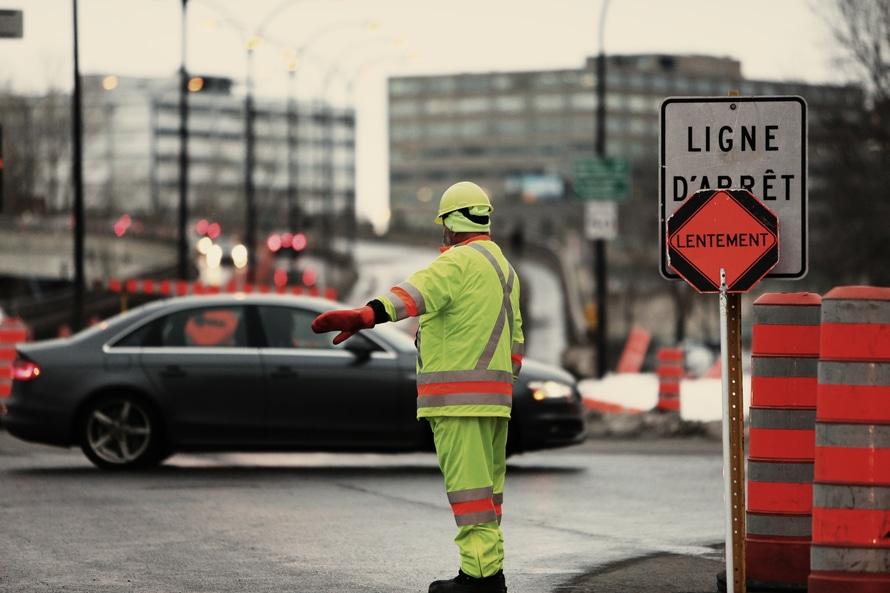
The vast majority of traffic violations are caused by human decisions. For example, a person may choose to go over the speed limit, which can result in them getting pulled over. A self-driving car, however, will not have this problem. It can easily be programmed to follow speed limits precisely. While this will certainly make driving safer, it will also put a lot of traffic officers out of work due to the reduced number of traffic violations. There are around 900,000 police officers in the United States, and many of them will lose their jobs. As with many of the dynamics sure to be caused by self-driving cars, it will make the world a better place, but not without casualties.

Valets and Parking Lot Attendants May Lose Their Jobs


Valets and Parking Lot Attendants May Lose Their Jobs

Self-driving cars will also be able to self-park. In fact, some cars on the market today can already self-park. These cars will eventually put valets and parking lot attendants out of a job. While this demographic may sound inconsequential, there are over 140,000 people in this line of work throughout the country. These people are out of luck, but those with self-parking cars can save time and money.

Possibly the Hardest-hit Segment: Delivery Drivers


Possibly the Hardest-hit Segment: Delivery Drivers 
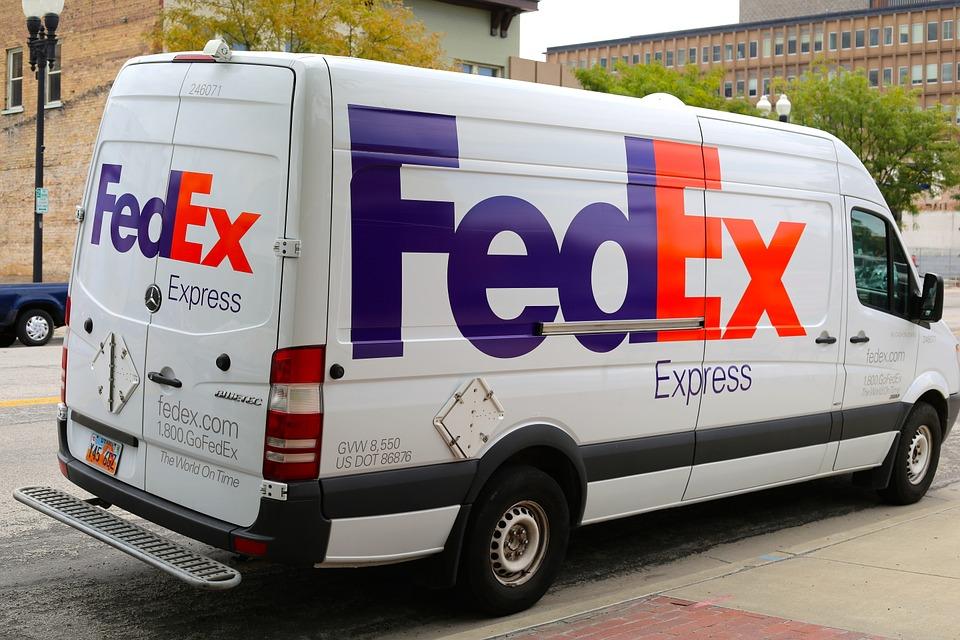
While thousands of people work as valets and parking lot attendants, over 1.3 million work as delivery drivers in some capacity. Postal workers, those working for private package delivery services, pizza delivery workers, and many more will likely lose their jobs. These companies will not have to pay their workers, so they should be able to lower prices. Also, those receiving the deliveries will not be obligated to tip a self-driving car as they would a human. This will save them up to 15 or 20 percent of the cost of the delivery. There will still likely be a few delivery drivers for specialized packages, but this occupation will largely become a thing of the past.

Self-Driving Cars May Finish off the Railway Industry


Self-Driving Cars May Finish off the Railway Industry
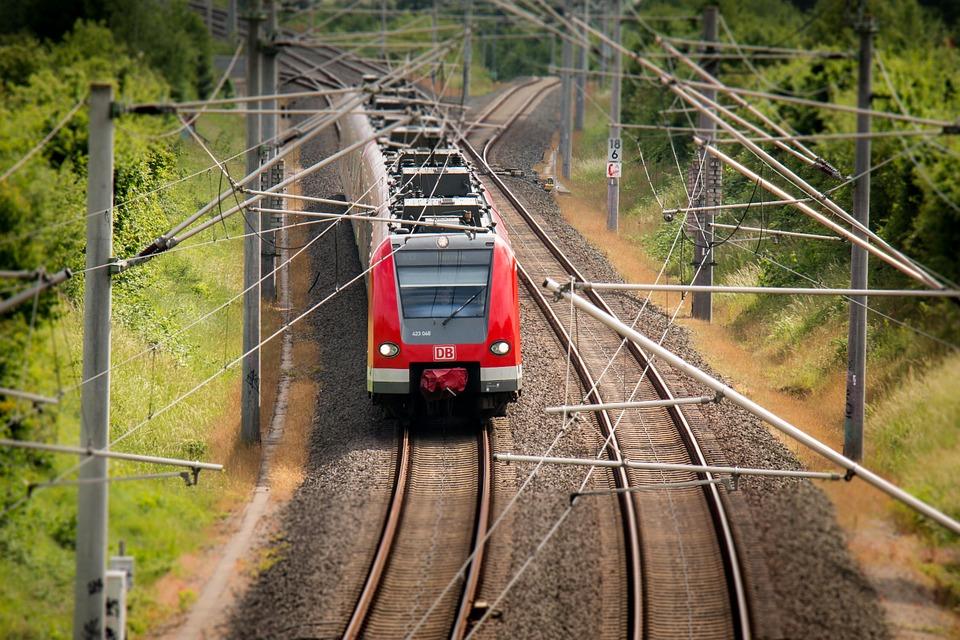
The railroads were instrumental in the development of America. They provided fast, safe travel in a time before cars. Once cars became commonplace, railway travel started to decline. After being in declines for decades, it is has experienced a slight resurgence as of late with the advent of high-speed rail. These trains are very safe and can go nearly 200 miles an hour. However, they are still confined to railways, which self-driving cars are not. Also, with automotive travel being made much safer, speed limits may be raised as self-driving cars can drive almost flawlessly at any speed. This will further reduce any advantage trains may have over cars.

The timing is bad for the railway industry as well. The federal government has spent $11 billion dollars on high-tech trains and rails. Self-driving cars may mean all of their efforts are for nothing.

Car Insurance


Car Insurance and self driving cars

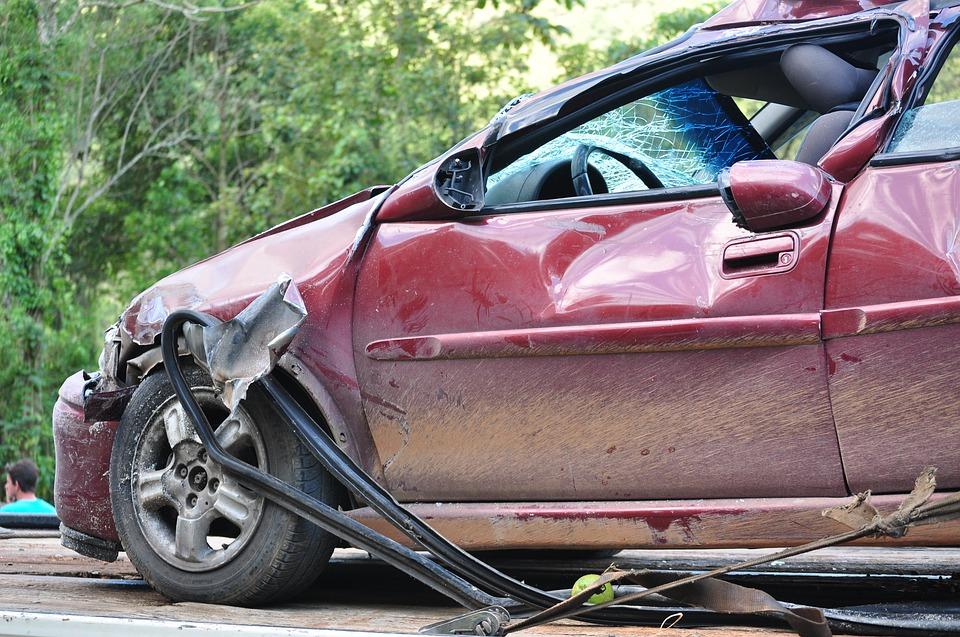
The auto insurance industry is massive, with gross revenues of over $50 billion dollars a year for the biggest companies. However, the number of accidents would be greatly reduced with self-driving cars. This would, in turn, lower insurance premiums massively. It's not out of the question that state governments could stop requiring insurance altogether. While many people would still have limited policies, the bottom lines of car insurance companies would suffer greatly.

Mobile Provider Internet

/Users/MaxwellPond/Desktop/woman-488327_960_720.jpg

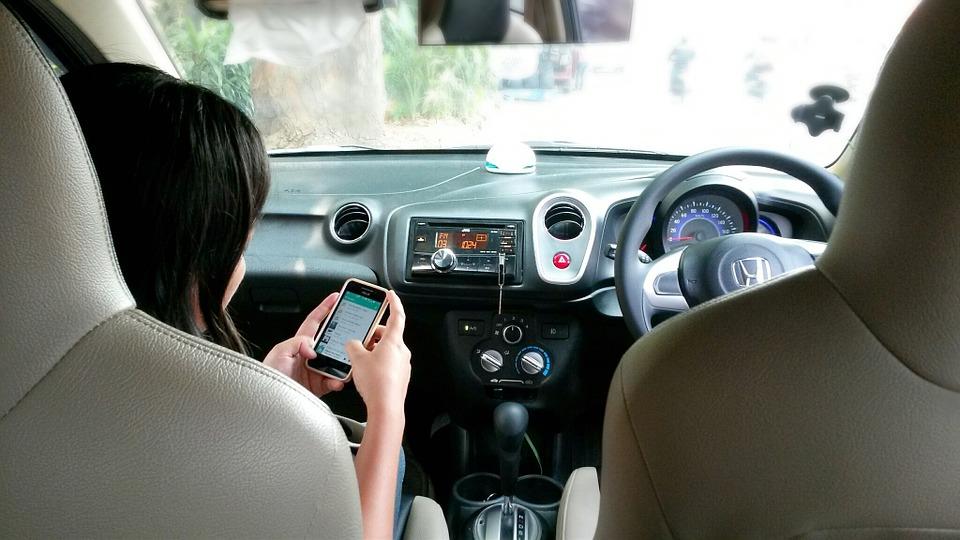
Many people lucky enough to have self-driving cars would want to browse the Internet while waiting to get to their destination. It stands to reason that self-driving cars would have their own mobile dedicated Internet. This may come in the form of satellite Internet, Internet provided by cell phone companies like Sprint and Verizon, or some other form of wi-fi not yet commonplace.

57% of people browse the Internet on their phones. If people can use faster and cheaper Internet on their mobile devices than the Internet provided by their phone company, this could make the service obsolete. While Internet usage takes up a great deal of bandwidth, phone companies are able to make money from it. Self-driving cars may end up hurting their bottom lines, as well.

SOURCE  - Top Image via Vimeo


By Lindsey Patterson Embed