bloc 33rd Square Business Tools - prosthetics 33rd Square Business Tools: prosthetics - All Post
Showing posts with label prosthetics. Show all posts

Monday, June 26, 2017

4 Fascinating Ways 3D Printing Will Change Healthcare


The evolving technologies of 3D printing is changing the future of nearly every industry. Healthcare is undoubtedly the most critical area where advancements are making a difference. This printing technique, also known as additive fabrication, has gone from cheap plastics to using your own living tissue.


Printers can create 3D objects to any specifications. This makes it possible for surgeons to customize medical solutions for each patient. Here are four ways that this is transforming medicine.


1. Custom prosthetics

At one time, replacing a missing limb with a prosthetic device took a great deal of planning and specialty manufacturers involving high costs. Even then, results could be less than ideal. Growing children need frequent prosthetic upgrades. With today's computers and 3D printers, your measurements can be taken to create 3D prosthetics that are a precise fit. Even original designs can now be printed at a fraction of the time and cost of traditional prosthetic manufacture, and often in a day or two, while ensuring better results.

Related articles

2. New skin

Now you can donate your own skin cells, which are incubated and grown into sufficient quantities for treatment. Using 3D printers and mesh frameworks as needed for contouring, physicians can now replace human skin with tissue that your immune system won't reject. Burn victims or those suffering from melanoma or pigment disorders could have a better outlook on life. As the technology improves, it may one day be fast and affordable enough for common needs like eliminating tattoos or birthmarks.

3. Replacement parts

Laboratory trials have helped to improve methods of reproducing tissue and even incorporating high-tech devices into your procedure. Princeton University, for example, was able to create an ear from human cells that incorporated nanoparticles into the natural structure of the inner ear. The result was the ability to detect sounds beyond the normal range of frequencies. With the ability to also print bones, ligaments, and other cell types, your replacement parts might even be improvements.
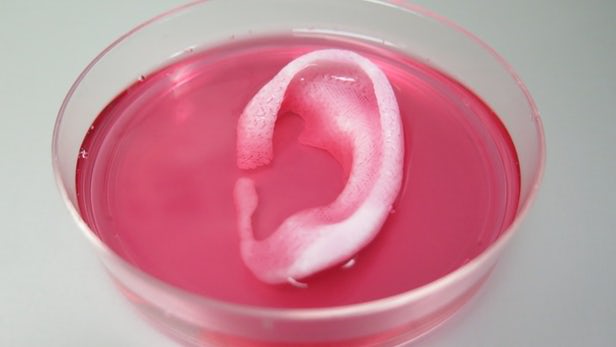

3d printed replacement parts

4. Reconstructive surgery

John C. Lincoln Medical Center in Phoenix, Ariozna, known for its advanced plastic surgery, was able to use 3D printing to recreate the facial structure of an accident victim, restoring a normal appearance that would have been impossible just ten years ago. Soon, doctors will be able to reconstruct accident or degenerative disease damage using your own DNA to fabricate bones, blood vessels, skin, and muscle tissue.

The medical uses of 3D printing are limited only by surgical capabilities. But as robotic surgical tools and nanotechnology also improve, these technologies will allow patients with many types of health problems to be treated effectively, cheaply, and almost automatically. Soon, even nurses and other medical professionals will be able to incorporate 3D printing technology into everyday treatment.


By  Dixie SomersEmbed

Author Bio - Dixie is a freelance writer who loves to write about business, finance and self improvement. She lives in Arizona with her husband and three beautiful daughters.


Tuesday, October 25, 2016

Innovations That Are Shaking Up the Medical Industry

Health  

Technology and human knowledge are constantly evolving and progressing. Nowhere is this more apparent than in the medical industry. New breakthroughs are constantly being made that have the potential of saving millions of lives. 


If you have a passion for science, medical research is certainly one exciting area that truly makes a difference. With that in mind, here are four innovations that are shaking up the medial industry.

Remote Monitoring

One of the most massive healthcare expenses is related to the cost of hospitalization. Having to live in a nursing home can also have a debilitating effect on a person’s independence and quality of life. Thankfully, new innovations in remote monitoring technology may soon change that. This is the same technology that allows athletes to track their heart rate with their smart phones. The tech will soon be able to track a patient’s vital signs to the point a patient can be monitored by healthcare professionals at home. Devices that can monitor blood glucose levels without penetrating the skin are already in development.

Related articles

Electric Mixers

Another significant development has been the introduction of more advanced laboratory electric mixers. They use compressed air to mix volatile fluids without the risk of igniting an explosion, which is what mixers that were used in the past used to do. The newer version even has more horsepower as to better mix liquids with higher viscosity. Overall, inventions like these help keep those who work in the medical industry safer.

New Stroke Treatments

A stroke is one of the most serious medical events that a person can live through. That is because it can often result in permanent disability, a lowered quality of life and a shorter lifespan. Thankfully, though, a new treatment for strokes has been successfully implemented to help patients recover more quickly. This treatment involves the use of a tool known as a neurovascular stent retriever that amazingly has the ability to remove blood clots from the brain.

Nerve Controlled Artificial Limbs


Nerve Controlled Artificial Limbs

The understanding of how nerves work with the brain to control different body parts has improved significantly in recent years. It is, in fact, believed that in the near future robotic artificial limbs that are connected to the nervous system will be able to be moved and operated purely through the patient’s own thoughts. With this type of technology, cyborgs won’t simply be a thing of science fiction.

New medical technology and cutting edge treatments really are amazing. There is really no limit to what can be accomplished with research and the scientific method. As a result, mankind is sure to benefit greatly from improved healthcare and the elimination of the pain and disability associated with many different diseases and ailments.


By  Hannah WhittenlyEmbed


Thursday, June 2, 2016

Six Examples of Technology Updates That Have Benefited the Health Industry

Medicine  

People are living longer, fuller lives thanks to advanced medical technology. Here are a few key examples.


Today, frequent advances in technology have greatly assisted the health care industry. People are living longer, fuller lives due to these advances in med tech. Both patients and their care providers benefit from these developments in various ways, just consider these six recent milestones

Related articles


Magnetic Resonance Imaging (MRI)

A growing number of medical facilities utilize sophisticated magnetic resonance imaging technologies to help visualize internal structures more clearly. Unlike traditional imaging systems, an MRI reveals soft tissues clearly.

Air Powered Stirrers

Laboratory technicians working in medical facilities today appreciate technology updates that include the development of air powered stirrers. These overhead mixing devices permit the rapid stirring of volatile and flammable compounds without risking ignition sparks that may injure lab personnel or destroy valuable equipment. Maintaining proper use of laboratory air stirrers can be little tricky so making sure everyone involved is trained on how to use these devices. Places like Arrow Engineering are specially equipped to help labs get the right equipment to help maintain these machines. Many innovative models of this highly specialized equipment appeal to biotechnology companies, enabling research into the development of some exciting new health care products.

Advanced Prosthetic Devices

During former eras, amputees lived for years depending upon unsightly, largely immobile wooden prosthetic devices. Recent technological advances now permit the creation of an impressive variety of prosthetic limbs that provide responsive movement at the wearer's direction. The science of manufacturing prosthetics has advanced at a very rapid pace thanks to computer technology, enabling many people to resume active daily lifestyles following traumatic injury.

Six Examples of Technology Updates That Have Benefited the Health Industry


Real Time Fitness Monitors

Another important recent technology update in the health care field involves the development of mobile fitness monitors capable of tracking a wearer's heart rate, pulse and breathing in real time. This technology greatly assists athletes training to improve physical condition prior to sporting event. The rapid feedback also assists numerous health care patients.

Pharmacy Software Technology

Finally, another stunning technology update relates to the development of sophisticated software pharmacy programs. This software assists hospital pharmacies and physicians in reducing medication errors and conflicts.

Minimally Invasive Endoscopic Surgeries

Increasingly, technological advances have helped create more opportunities for endoscopic procedures. Surgeons may rely on catheters inserted through blood vessels to perform some therapeutic operations. For instance, in recent years surgeons have developed ways to perform "keyhole" procedures using specialized instruments to correct a number of heart and lung problems. These techniques typically leave patients with much smaller incisions, promoting faster post-operative recovery rates and enhanced patient comfort levels.

Additional breakthroughs will likely occur during the next decade as a result of rapid technological change. Patients around the world will benefit from the pace of technology updates!


By Anita GinsburgEmbed


Author Bio - Anita Ginsburg is a freelance writer from Denver, CO and often writes about business, finance, education and home. She graduated from Colorado State University in 2004. A mother of two, she enjoys traveling with her family when she isn’t writing.

Monday, April 18, 2016

How Accessible Technology is Changing the Lives of the Disabled


Biotech  

Here are of some of the benefits accessible technology are bringing to the field of medicine. 


In the field of medicine, technology has always been seen as an asset in assisting disabled individuals. Today the latest and greatest technological advances are doing more than ever before to enrich the lives of the disabled. Here's a brief overview of some of the benefits accessible technology confers on disabled people.

Related articles


Better Communication

Mobile devices like smartphones and tablets are tremendously convenient tools to have around. They play a special role for the disabled, though. Specialized apps can turn a tablet into a powerful learning tool and an aid to communication. A tablet can take the place of a voice for a person with speech impediments, and other programs make it easier for those with learning disabilities to learn to speak.

Software developers and hardware manufacturers do their best to maximize access to these powerful devices. Most of them come with a wide range of assistive technologies to ensure that they're usable even by individuals with disabilities. Adaptive touch helps make touchscreens easier for those with fine motor control problems, and on-screen assistance lets the deaf enjoy full functionality.


Leaving No One Behind

The Internet is a tremendously powerful tool for those whose disabilities leave them restricted to the home. One of the greatest online benefits that disabled people enjoy today is greater access than ever before to educational resources. It's possible for them to learn, train, and earn certifications and online education degrees without leaving the house. This is especially helpful for those whose disabilities require them to shift into new careers.

Long-distance learning gives disabled individuals a new lease on life and provides them with opportunities and motivations that are often sorely lacking. Because online educational tools can be customized to meet the needs of the individual student, this type of learning is perfectly suited to the challenges of the disabled. Disabled people who have the opportunity to learn at home lead happier, more fulfilling lives.


Improving Standards of Care

A stream of data flowing to and from disabled people doesn't just benefit those individuals. Modern technology makes it easier for healthcare professionals to provide a higher standard of care without spending every hour with their patients. Medical devices and monitors are now frequently equipped with online communication features, allowing care providers to monitor their patients constantly.

Disabled people can also take advantage of "smart" devices (both worn on the body and integrated into furnishings) that perform regular checks on their vital signs. By detecting signs of trouble as soon as possible -- and notifying caregivers when appropriate -- these devices keep people safe and even save lives.There will always be room to improve the technology available to the disabled, and to make it easier for them to use. Fortunately, the march of progress does not leave disabled people behind; accessible technology helps them in new ways every day.


By Rachelle WilberEmbed


Wednesday, April 6, 2016

Transcendent Tech: Exciting Advancements in Human Enhancement


Exponential Technology  

Lately there have been many exciting advancements in human enhancement technology. Here are four with incredible potential.


Technology is improving exponentially, affecting almost every aspect of our daily lives. Over the next few decades, many believe we'll move in a new direction as technical innovations are applied to our own bodies. There is always a demand for new medical procedures, but human advancement is now technological advancement. Here are four developments to follow.

BCI

Brain-computer interfaces appeared in 2008, utilizing head-gear that detects EKG patterns and translates them to electrical signals which can be used to affect devices. Today, there are a number of BCI products on the market. Admittedly, most of them are toys and hard to use consistently, but this is a science in its infancy, and soon we may be able to operate wheelchairs, prosthetic limbs, and virtually any apparatus directed by thought alone.
artificial limb is powered by rocket fuel


Prosthetics

Engineers have begun producing artificial limbs able to articulate human movement. These are normally powered by batteries and rely on pressure-sensitive switches to react. But the University of North Carolina and others are working to perfect limbs that respond to electrical signals in the wearer's muscles. Vanderbilt University has worked out a system for powering artificial limbs with small rocket motors. As mechanical engineering, BCI, and fuel systems merge and improve, artificial limbs may perform as well as or better than the organic version.

Vision

Advances in eye treatment and lenses may soon bring about a generation that has never worn glasses. For now, though, advancements in eyesight correction allow the nearsighted and farsighted among us to see with ease. According to a specialist from Identity Optical, the Israel-based company Shamir has introduced high-tech lenses utilizing their own patented software for simulating movements of the human eye. The appearance of custom-engineered lenses means practically anyone can sustain excellent vision throughout their lives.


Custom Features

Related articles
In 1995, researchers shocked the world by growing a human ear on the back of a lab rat. By 2012, a Boston hospital grew the first fully human ear, by covering a frame with collagen and using a bit of the patient's own cartilage to "seed" the new ear and grow an exact duplicate. While the procedure remains hung up in red tape, it's hoped by many that it will be approved and become common for replacing damaged body parts. As geneticists perfect splicing DNA, growing virtually anything we require may be just a few generations ahead.

These technological developments are all paving the way for human enhancement’s future. For now, though, prosthetic technology and innovations in vision correction are improving human lives every day. While we never know what tomorrow will bring, these technologies suggest a bright future for those interested in human enhancement.


By Emma SturgisEmbed

About the Author: Emma is a freelance writer from Boston, MA. Information related to the legality of carrying controlled substances without a prescription was provided by a possession of an illegal substance lawyer in Austin, TX. Questions? Say hi on Twitter @EmmaSturgis2

Saturday, March 12, 2016

Five Ways Electrical Engineering Is Changing The World Of Health For The Better


Medicine  

Few fields have affected medicine as much as electrical engineering has in the past few years. From MRI machines to robotic prosthetics, electrical engineers have helped bring about tremendous innovation in medicine. 


Many fields have achieved advancements when it comes to healthcare, but few have done as much as electrical engineering has. This field has done everything from changing the way we look inside the body to treating certain conditions that would otherwise result in death. Let's take a look at five health-related feats that electrical engineering has performed.

Magnetic Resonance Imaging

Magnetic resonance imaging (MRI) provides a more accurate way to see within the body without the need for exploratory surgery or high levels of radiation. MRIs are a direct result of electrical engineering principles put to use. These non-invasive techniques use super-powered magnets to compute images of organs and other structures within the body. Further improvements in MRI are being led by the field of electrical engineering. These include higher resolution images, and faster MRI scans.

Five Ways Electrical Engineering Is Changing The World Of Health For The Better


Better Defibrillators

Another improvement produced by electrical engineering involves defibrillators. Not only are they significantly more effective, but they also utilize a lower charge due to improvements made by electrical engineers. Defibrillators have also become small enough to be implanted within the chest. This is particularly useful for patients suffering from conditions that could result in the heart stopping.

Myoelectric and Robotic Prostheses

Myoelectric and robotic prostheses represent the current pinnacle of artificial limbs. They utilize electrical engineering to provide powerful limbs capable of climbing stairs, handling objects, and even providing a certain amount of feedback for the user. The reason electrical engineering is so integral to these devices revolves around the way they work. They must be efficient, which in turn allows them to be as light as possible. They must also incorporate intelligent processors to maximize their ability to act just like natural limbs would.

Robotic Prostheses

Robot-Assisted Operations

Surgery has traditionally been limited by the versatility of a surgeon's hands. They can only move in so many ways, which in turn requires large incisions and lengthy operations. Robot-assisted operations are a recent development stemming from electrical engineering. They utilize minimally invasive techniques designed to minimize the strain on a patient's body and the trauma required to perform procedures. This results in faster recoveries, less pain and fewer complications. Further advancements from electrical engineering will help to make these procedures more natural for surgeons to use.

Related articles

Bridging Spinal Problems

One of the larger health revolutions that electrical engineering is driving revolves around bridging the link between broken nerves. Implants are being developed that are capable of transmitting electrical impulses along the spinal cord, which is allowing para- and quadriplegics to feel their toes and walk again. While the ability for these implants to perform is currently limited, they do hold a large amount of promise in restoring normal function to victims of traumatic incidents and disease.

While many people will associate electrical engineering with a more mundane and mechanical world, it has revolutionized the fields of health and healthcare. Patients are better able to be diagnosed and treated thanks to it. As electrical engineering advances, so too will healthcare advance. This will lead to new innovations, many of which can be used to further improve the world of health. If you are interested in making an impact in the field, consider an MS in Electrical Engineering. The right knowledge can open up many opportunities for you to make a difference too.


By Anita GinsburgEmbed


Author Bio - Anita Ginsburg is a freelance writer from Denver, CO and often writes about business, finance, education and home. She graduated from Colorado State University in 2004. A mother of two, she enjoys traveling with her family when she isn’t writing.


Tuesday, February 16, 2016

Brain-Machine Interface Used to Control Robotic Fingers Individually for the First Time


Brain-Machine Interface  

Biomedical scientists have successfully demonstrated a robotic prosthetic brain-machine interface that allowed a subject to move the individual fingers of a prosthetic hand with their thoughts.


Johns Hopkins physicians and biomedical engineers have reported what they believe is the first successful effort to wiggle fingers individually and independently of each other on a mind-controlled robotic arm without a large amount of training.
"We believe this is the first time a person using a mind-controlled prosthesis has immediately performed individual digit movements without extensive training."
The results of the study which are, published in the Journal of Neural Engineering, represents a potential advance in technologies to restore refined hand function to those who have lost arms to injury or disease. The subject of the experiment, which can be seen in a video below, was  not missing an arm or hand, but he was outfitted with a device that essentially took advantage of a brain-mapping procedure to bypass control of his own arm and hand.


“We believe this is the first time a person using a mind-controlled prosthesis has immediately performed individual digit movements without extensive training,” says senior author Nathan Crone, M.D., professor of neurology at the Johns Hopkins University School of Medicine. “This technology goes beyond available prostheses, in which the artificial digits, or fingers, moved as a single unit to make a grabbing motion, like one used to grip a tennis ball.

Brain-machine interface robotic arm
During the experiment, the research team enlisted a young man with epilepsy already scheduled to undergo brain mapping at The Johns Hopkins Hospital’s Epilepsy Monitoring Unit to pinpoint the origin of his seizures.

While brain recordings were made using electrodes surgically implanted for clinical reasons, the signals also control a modular prosthetic limb. Before connecting the prosthesis, the researchers mapped and tracked the specific parts of the subject’s brain responsible for moving each finger, then programmed the prosthesis to move the corresponding finger.

Related articles
For the procedure, the patient’s neurosurgeon placed an array of 128 electrode sensors — all on a single rectangular sheet of film the size of a credit card — on the part of the man’s brain that normally controls hand and arm movements. Each sensor measured a circle of brain tissue 1 millimeter in diameter.

A computer program then had the man move individual fingers on command and recorded which parts of the brain the “lit up” when each sensor detected an electric signal.

The researchers also measured electrical brain activity involved in the patient's sense of touch. The subject was outfitted with a glove with small, vibrating buzzers in the fingertips, which went off in each finger. The researchers then measured the resulting electrical activity in the brain for each finger connection.

Using this data, the researchers programmed the robotic arm to move corresponding fingers based on which part of the brain was active. Turning on the prosthetic arm, which was wired to the patient through the brain electrodes, they then asked the subject to “think” about individually moving thumb, index, middle, ring and pinkie fingers. The electrical activity generated in the brain moved the fingers.

The researchers claim there was no pre-training required for the subject to gain this level of control, and the entire experiment took less than two hours.

At first, the brain-machine interface had an accuracy of 76 percent, but once the researchers coupled the ring and pinkie fingers together, the accuracy increased to 88 percent.

“The part of the brain that controls the pinkie and ring fingers overlaps, and most people move the two fingers together,” says Crone. “It makes sense that coupling these two fingers improved the accuracy.”

Crone cautions that application of this technology to those actually missing limbs is still some years off and will be costly, requiring extensive neural mapping and computer programming. Despite the work needed, the research is impressive.


SOURCE  Johns Hopkins Medicine


By 33rd SquareEmbed


Wednesday, July 22, 2015

Fomenting Technological Revolution


Biotech  


Speaking at the recent the "Biology is Technology" symposium, Geoff Ling, Director of DARPA’s Biological Technologies Office (BTO), explains how careers with DARPA offer the possibility to pursue breakthroughs that drive technological revolutions and have profound impacts on people’s lives.


The energetic and candid Dr. Geoffrey Ling is the founding director of the DARPA Biological Technologies Office. He began his DARPA service in 2004 as a Program Manager in the Defense Sciences Office (DSO). He created and managed a broad research portfolio, spanning neuroscience, infectious disease, pharmacology, and battlefield medicine.

His Revolutionizing Prosthetics program developed advanced arm prostheses controlled either non-invasively or directly by a user’s brain. His Preventing Violent Explosive Neuro Trauma program developed new understanding and treatment of blast-induced traumatic brain injury (TBI). He was the 2009 DARPA Program Manager of the Year and served as the DSO Deputy Director from 2013-2014.

SOURCE  DARPA


By 33rd SquareEmbed


Tuesday, July 21, 2015

Bionic Prosthetics Open New Worlds


Bioinics  


Human integrated robotics are opening a new world for those with disabilities. A new crowd funded project hopes to take you on one man's journey into this world.


For many imagining a world where humanoid robots assist us every day in doing tasks that are difficult, dangerous or just boring is not far off.  The androids at the DARPA Robotics Challenge may have been falling down more than succeeding this summer, but they have come a long way, and are offering a real glimpse of the possibilities.  Perhaps more importantly, the computer systems and smart software are also rapidly catching up to meed this incredibly complex challenge.

For some, the promise of advances in robotics is especially critical.  Coupled with developments in brain computer interfaces (BCI), machine intelligence, neuroscience, and computer vision, technologies are rapidly converging making possible bionic dreams.

In a new Kickstarter project, one team is hoping to share just how much of an impact robotic prosthetics can have on a life.


Dr. Tom Wachtel was a Navy Flight Surgeon who served in Vietnam, and retired in 1998 after 37 years of service. Wachtel has written nine medical books, 22 book chapters and more than 150 scientific papers on: burns, trauma, wound healing, nutrition, death and dying, and medical education.

Related articles

Additionally he was an academic Trauma Director for 27 years. As a Trauma Surgeon he led multiple military medical units, and mentored many medical students and surgery residents, including Dr. Albert Chi.

In 2008, while volunteering to fill a critical staff shortage of trauma surgeons at the University of Arizona Medical Center, in Tucson, AZ, Tom suffered a neck injury that left him paralyzed. For the first time in his life, a man who dedicated his life to serve the needs of others now needed assistance to perform even the most basic tasks.

Then early in 2014, Dr. Chi visited Wachtel and showed him some exciting results from research at the Johns Hopkins University Applied Physics Laboratory (JHU/APL) that is revolutionizing the way humans interact with machines.

Chi was recently on the team that provided incredible two robotic thought-controlled arm prostheses to Les Baugh, a double amputee.

"The problem that somebody that has an amputation or spinal cord injury isn't that they can't think about moving and/or many more sense they physically can't do it their number things we think the technology can do."


Wachtel was excited to try it out for himself, but the distance between Baltimore and Phoenix made this impractical. So we embarked on a mission to make his dream come true. The crowd-funded documentary shows how we can bring this technology to Wachtel, explore the impact of these advances, and follow hiss journey into this amazing new world.

For instance, a set of robotic arms could help him use his fingers for the first time in seven years. Through intensive therapy, Wachtel has regained some movement. He can lift his arms. But he still can’t use his fingers.

"The problem that somebody that has an amputation or spinal cord injury isn't that they can't think about moving and/or many more sense they physically can't do it their number things we think the technology can do," states Michael McLoughlin, one of the researchers behind the robotic system at Johns Hopkins,

Wachtel hopes robotic arms will allow him to brush his teeth and comb his hair and perhaps use a regular spoon instead of the adaptive version he uses, attached to a piece of circular plastic that fits around his hand.

The robotics firm, Harmony Robotics intends to use tele-operated bimanual robotic platform with human-like capability to bring this capability into Wachtel's home.

Harmony Robotic's system, Transcend, will control a high-dexterity robotic arm, such as the Modular Prosthetic Limb (MPL) developed by JHU/APL. In the project they intend to demonstrate the ability to conduct ordinary activities, such as pouring a cup of coffee or reading the sports page, or holding the hand of a loved one - activities that most of us take for granted.


SOURCE  Transcendent Robotics on Kickstarter


By 33rd SquareEmbed


Friday, June 19, 2015


 Bionics  
Technology from Formula 1 is changing the life of a woman in England. Nicky Ashwell was born without a right hand. But she's just been fitted with the most advanced bionic replacement ever made. It's smaller, lighter and more lifelike than any other. And, it's allowing Nicky to do things she's never been able to do before.


Nicky Ashwell was born without a right hand and previously used a cosmetic prosthetic that she was not able to move.

Now she’s been fitted with what has been described as the world's most life-like bionic hand – meaning she can ride a bike for the first time.

Related articles
The anatomically accurate limb developed by prosthetic experts Steeper is seen as a bionic breakthrough, using Formula 1 technology to deliver "unrivalled level of precision and natural movements".

"When I first tried the Bebionic small hand it was an exciting and strange feeling - it immediately opened up so many more possibilities for me," said Ashwell.

Woman Enjoying Life with World's Most Lifelike Bionic Hand

"I realized that I had been making life challenging for myself when I didn't need to."


"I realized that I had been making life challenging for myself when I didn't need to."

Weighing around 390g, the smaller model Bebionic hand is 165mm from base to middle fingertip - the size of an average woman's hand - and contains 337 mechanical parts.

It is strong enough to handle up to 45kg - around the same as 25 bricks - and has 14 grip patterns and hand positions to allow a range of precision movements.

The Bebionic small hand works using sensors triggered by the user’s muscle movements that connect to individual motors in each finger and powerful microprocessors. The technology comprises a unique system which tracks and senses each finger through its every move – mimicking the functions of a real hand.

Ted Varley, Technical Director at Steeper, the bionic hand's manufacturer said, “Looking to the future, there’s a trend of technology getting more intricate; Steeper has embraced this and created a smaller hand with advanced technology that is suitable for women and teenagers. An accurate skeletal structure was firstly developed, with the complex technology then specifically developed to fit within this in order to maintain anatomical accuracy. In other myoelectric hands the technology is developed first, at the expense of the lifelikeness.”

"The movements now come easily and look natural - I keep finding myself being surprised by the little things, like being able to carry my purse while holding my boyfriend's hand."

Nicky Ashwell
Image Source - Laura Lean/PA

SOURCE  The Guardian, Steeper

By 33rd SquareEmbed

Monday, April 13, 2015

Researchers Use Shape-Memory Wires To Create Artificial Muscles in Robot Hand

 Robotic Hands  
Researchers have taken a leaf out of nature's book by equipping an artificial hand with muscles made from shape-memory wire. The new technology enables the fabrication of flexible and lightweight robot hands for industrial applications and novel prosthetic devices. 


Engineers at Saarland University have taken a leaf out of nature's book by equipping an artificial hand with muscles made from shape-memory wire. The new technology enables the fabrication of flexible and lightweight robot hands for industrial applications and novel prosthetic devices. The muscle fibres are composed of bundles of ultrafine nickel-titanium alloy wires that are able to tense and flex. The material itself has sensory properties allowing the artificial hand to perform extremely precise movements.

The human hand is extraordinarily mobile and adaptable, and the consummate interaction between the muscles, ligaments, tendons, bones and nerves has long driven a desire to create a flexible tool based upon it. The research team led by Professor Stefan Seelecke from Saarland University and the Center for Mechatronics and Automation Technology (ZeMA) is using a new technology based on the shape memory properties of nickel-titanium alloy. The engineers have provided the artificial hand with muscles that are made up from very fine wires whose diameter is similar to that of a human hair and that can contract and relax.

Related articles
"Shape-memory alloy (SMA) wires offer significant advantages over other techniques," says Stefan Seelecke. Up until now, artificial hands, such as those used in industrial production lines, have relied on a lot of complex background technology. As a result they are dependent on other devices and equipment, such as electric motors or pneumatics, they tend to be heavy, relatively inflexible, at times loud, and also expensive.

"In contrast, tools fabricated with artificial muscles from SMA wire can do without additional equipment, making them light, flexible and highly adaptable. They operate silently and are relatively cheap to produce. And these wires have the highest energy density of all known drive mechanisms, which enables them to perform powerful movements in restricted spaces," explains Seelecke.

The term 'shape memory' refers to the fact that the wire is able to 'remember' its shape and to return to that original predetermined shape after it has been deformed. "This property of nickel-titanium alloy is a result of phase changes that occur within the material. If the wire becomes warm, which happens, for instance, when it conducts electricity, the material transforms its lattice structure causing it to contract like a muscle," says Seelecke.

"Unlike a single thick wire, a bundle of very fine wires can undergo rapid contractions and extensions equivalent to those observed in human muscles. As a result, we are able to achieve fast and smooth finger movements."


The engineers use 'smart' wires to play the role of muscles in the artificial hand. Multiple strands of shape-memory wire connect the finger joints and act as flexor muscles on the front-side of the finger and as extensor muscles on the rear. In order to facilitate rapid movements, the engineers copied the structure of natural human muscles by grouping the very fine wires into bundles to mimic muscle fibres.

These bundles of wires are as fine as a thread of cotton, but have the tensile strength of a thick wire. "The bundle can rapidly contract and relax while exerting a high tensile force," explains Filomena Simone, an engineer who is working on the prototype of the artificial hand as part of her doctoral research. "The reason for this behavior is the rapid cooling that is possible because lots of individual wires present a greater surface area through which heat can be dissipated. Unlike a single thick wire, a bundle of very fine wires can undergo rapid contractions and extensions equivalent to those observed in human muscles. As a result, we are able to achieve fast and smooth finger movements," she explains.

Another effect of using the shape-memory metal wires is that the hand can respond in a natural manner when someone intervenes while a particular movement is being carried out. This means that humans can literally work hand-in-hand with the prototype device. A semiconductor chip controls the relative motions of the SMA wires allowing precise movements to be carried out.

This also means the system does not need additional sensors. "The material from which wires are made has sensor properties. The controller unit is able to interpret electric resistance measurement data so that it knows the exact position of the wires at any one time," says Seelecke.

This enables the hand and the fingers to be moved with high precision. The research team will be exhibiting their system prototypes at HANNOVER MESSE 2015 and showcasing the potential of the technology by performing hand grasps and the controlled movement of individual fingers. The researchers want to continue developing the prototype and improve the way in which it simulates the human hand. This will involve modelling hand movement patterns and exploiting the sensor properties of SMA wire.


SOURCE  Saarland University via EurekAlert

By 33rd SquareEmbed

Wednesday, February 25, 2015


 Bionics  
Three Austrian men have become the first in the world to undergo a new technique called "bionic reconstruction", enabling them to use a robotic prosthetic hand controlled by their mind. All three men suffered for many years with brachial plexus injuries and poor hand function as a result of motor vehicle and climbing accidents.


Three Austrian men have become the first in the world to undergo a new technique called "bionic reconstruction," enabling them to use a robotic prosthetic hand controlled by their mind, according to new research published in The Lancet. All three men suffered for many years with brachial plexus injuries and poor hand function as a result of motor vehicle and climbing accidents.

The new technique was developed by Professor Oskar Aszmann, Director of the Christian Doppler Laboratory for Restoration of Extremity Function at the Medical University of Vienna, together with engineers from the Department of Neurorehabilitation Engineering of the University Medical Center Goettingen. It combines selective nerve and muscle transfers, elective amputation, and replacement with an advanced robotic prosthesis (using sensors that respond to electrical impulses in the muscles). Following comprehensive rehabilitation, the technique restored a high level of function, in all three recipients, aiding in activities of daily living.

Three Men Voluntarily Amputate Their Injured Hands In Favor of Bionic Replacements

Related articles
"In effect, brachial plexus avulsion injuries represent an inner amputation, irreversibly separating the hand from neural control. Existing surgical techniques for such injuries are crude and ineffective and result in poor hand function," explains Professor Aszmann. "The scientific advance here was that we were able to create and extract new neural signals via nerve transfers amplified by muscle transplantation. These signals were then decoded and translated into solid mechatronic hand function."

Before amputation, all three patients spent an average of nine months undergoing cognitive training, firstly to activate the muscles, and then to use the electrical signals to control a virtual hand. Once they had mastered the virtual environment, they practiced using a hybrid hand—a prosthetic hand attached to a splint-like device fixed to their non-functioning hand.

"The scientific advance here was that we were able to create and extract new neural signals via nerve transfers amplified by muscle transplantation. These signals were then decoded and translated into solid mechatronic hand function."


Three months after amputation, robotic prostheses gave all three recipients substantially better functional movement in their hands, improved quality of life, and less pain. For the first time since their accidents all three men were able to accomplish various everyday tasks such as picking up a ball, pouring water from a jug, using a key, cutting food with a knife, or using two hands to undo buttons.

Brachial plexus injuries occur when the nerves of the brachial plexus—the network of nerves that originate in the neck region and branch off to form the nerves that control movement and sensation in the upper limbs, including the shoulder, arm, forearm, and hand—are damaged. Brachial plexus injuries often occur as a result of trauma from high speed collisions, especially in motorcycle accidents, and in collision sports such as rugby and football.

According to Aszmann, "So far, bionic reconstruction has only been done in our centre in Vienna. However, there are no technical or surgical limitations that would prevent this procedure from being done in centres with similar expertise and resources."

Writing in a linked comment on the article, Professor Simon Kay who carried out the UK's first hand transplant, and Daniel Wilks from Leeds Teaching Hospitals NHS Trust, Leeds, UK said, "The present findings—and others—are encouraging, because this approach provides additional neural inputs into prosthetic systems that otherwise would not exist. However, the final verdict will depend on long-term outcomes, which should include assessment of in what circumstances and for what proportion of their day patients wear and use their prostheses. Compliance declines with time for all prostheses, and motorized prostheses are heavy, need power, and are often noisy, as well as demanding skilled repair when damaged."


SOURCE  Alpha Galileo

By 33rd SquareEmbed